We take roughly twenty thousand breaths every single day, yet most of us rarely pay attention to this life-giving rhythm until we find ourselves gasping for air during intense exercise or holding our breath in moments of anxiety. In the tradition of yoga, the breath is known as prana, the vital life-force energy, and the practice of controlling it is called pranayama. Your breath is the ultimate remote control for your nervous system, serving as a direct physical link between the conscious mind and the unconscious functions of the body. When we are stressed, our breath becomes shallow and rapid, signaling to the brain that we are in danger; conversely, when we consciously lengthen our exhalations, we send an immediate signal of safety to our entire being.
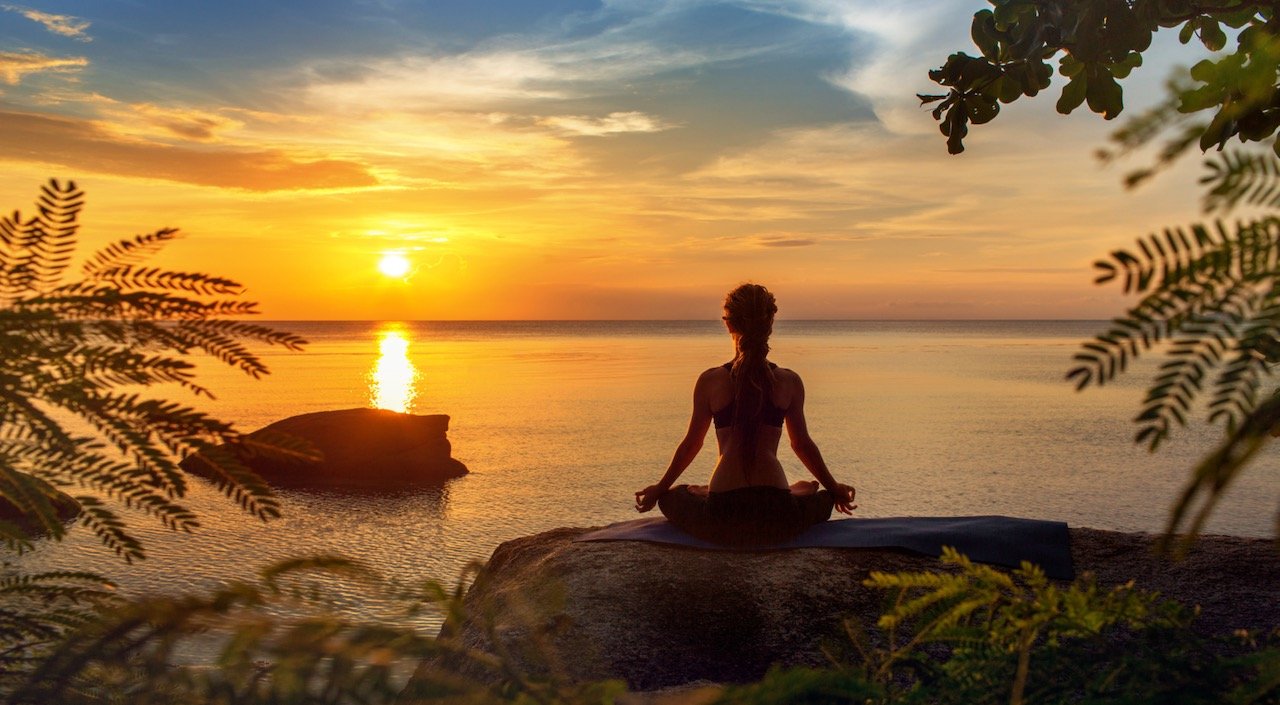
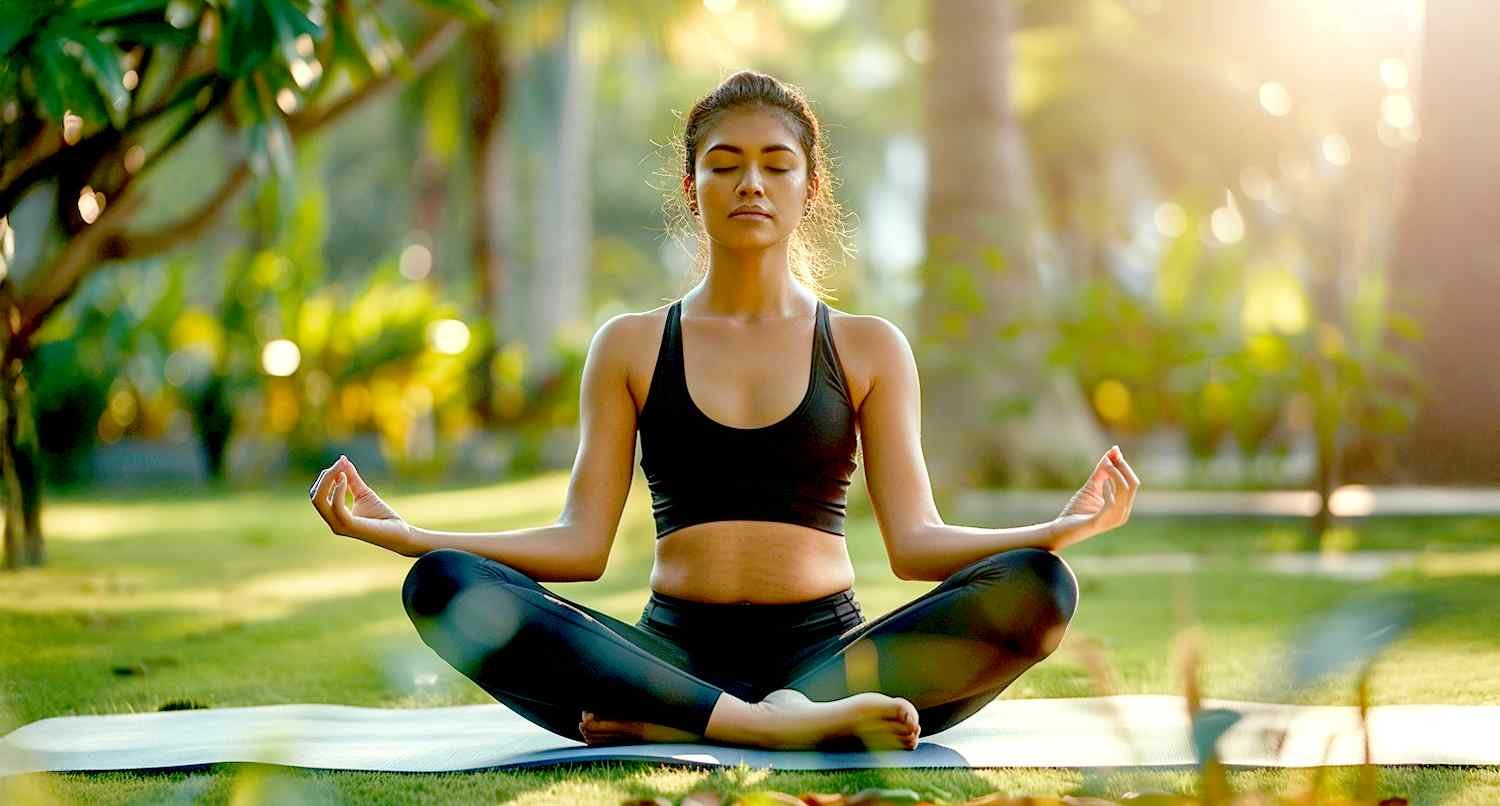
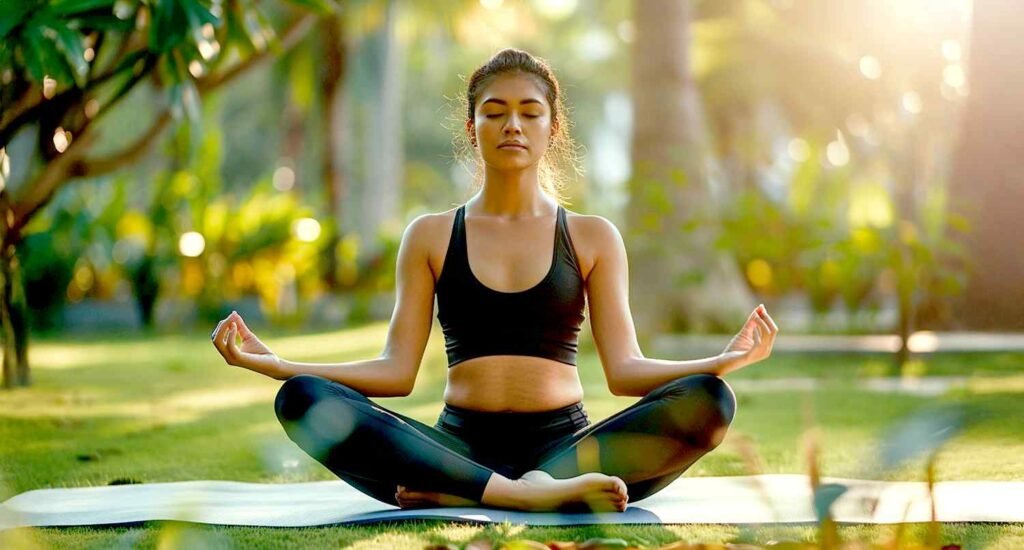
Learning to navigate the breath is like discovering a secret anchor in the middle of a stormy sea. Practices like Nadi Shodhana, or alternate nostril breathing, work beautifully to balance the analytical left hemisphere of the brain with the creative right hemisphere, creating a profound sense of mental clarity and emotional equilibrium. By dedicating just five minutes in the morning to sitting quietly and observing the natural rise and fall of the chest, you create a spacious buffer between yourself and the external world. This simple intimacy with your own breath helps you transition from a state of constant reaction to a state of calm, deliberate action.